House Cleaning for Pet Hair in Toronto: What to Put on the Checklist
Only have 30 seconds?
- Use the MaidFor.homes residential cleaning guide for related house-cleaning resources.
- Tell the cleaner where the pet spends time and which floors, rugs or furniture need attention.
- Ask how the provider treats stairs, cushion seams and washable covers when quoting.
- Check the same few locations after each visit and adjust the checklist if the results point to a different priority.
Follow the pet’s ordinary route through the house
Start with where the pet sleeps, waits and changes rooms. In a typical house, that could be a mat beside the back door, a short flight of steps and a sofa in the front room. The animal may rarely visit the spare bedroom, while a stair landing it crosses several times a day collects more hair than you would expect. This picture gives the cleaner a more useful assignment than a general request to do every room thoroughly.
Walk the route before the quote. Look at a couple of floor edges, the corners of mats and any furniture the pet regularly uses. Note places where you see loose hair on top and places where it seems caught in the surface. Describe the locations and materials without estimating the amount of work yourself. A cleaner can use that information to ask about equipment and decide which tasks belong in the visit.
Take a wider view of each room before sending close photos. A photo of a rug beside a stair landing explains where it is and whether it can be reached. A close photo can show the kind of pile and the condition the cleaner is being asked to address. If the material is delicate or has a care label, provide that information. Ask the cleaner how they decide whether the task fits their usual tools and experience.
Separate the floor work from the furniture work
A general vacuuming request can mean different things to different households. Say which floors or rugs are included and whether you expect attention to accessible edges, under the open side of a bench or around a pet bed. Identify furniture that must remain in place and ask what can be reached without moving it. This is particularly useful in a narrow hallway or where a stair turns beside a wall.
Upholstered furniture is its own conversation. Ask whether the provider includes a light vacuum of reachable upholstery. If you want the seat faces, the crevices at the edge of cushions or the area under removable cushions addressed, list those areas. Check whether the furniture maker offers care instructions and share what you have. A request to remove visible hair from the surface carries a different scope from a request to wash or otherwise treat the upholstery. The quote should say which work it covers.
The same distinction applies to rugs. Some rugs are ordinary parts of a floor checklist and others need particular handling. Tell the cleaner if a rug has fringes, a fragile backing or a history of damage from a tool. Ask what their plan would be before the visit. If they cannot confirm suitable care from the information you have, agree whether they will inspect it, leave it alone or suggest that you arrange a separate assessment. For related scope questions, see the entry, stairs and floor cleaning guide.
Agree who will handle pet items and covers
Tell the cleaner what can be moved and where it belongs afterward. A bowl or small washable mat may be something you prefer to pick up before the visit. A large bedding area may have several layers that you want left together. Take the time to identify the floor below it as a task if you expect the cleaner to reach that area. You can arrange to clear it yourself or ask which items the cleaner can reasonably move.
If you want help with a removable cover, specify whether the request is to vacuum it in place, take it off, launder it or put it back. Each action takes time and can require care information. Have the label or maker’s instructions available and agree who will handle the cover if the task goes beyond the visit. Someone who wants to wash a cover themselves can take it off before the cleaner arrives, leaving a clear instruction about whether the uncovered furniture should be touched.
A pile of clean covers near the door can also create confusion if there are several similar items. Label bags or identify the room in the booking notes. Decide what to do with a cover that is still drying when the cleaner leaves. If that part of the task belongs to the household, set it aside in a place that keeps the walking route clear. Small instructions like these can keep the main floor and stair tasks within the time you booked.
Prioritize work by how quickly hair returns
Look at what happens after a normal clean. One household may find that the sofa looks fine for a week while the stair landing has loose hair the next morning. Another may see the opposite because the pet spends most of the day on one chair. Use these observations to set a priority instead of assuming every surface needs equal attention each time.
Ask the provider to quote the main tasks and any periodic work in a way you can compare. A possible plan is to cover the back hall, kitchen floor and stairs every visit while adding one approved furniture task on selected dates. If hair accumulates faster for a period, ask how the schedule or scope can be adjusted and what the change would cost. You can decide where to spend the time once you know whether the provider charges by task, by room or by time.
Give the cleaner one instruction for a short visit. For example, “Finish the landing, stair edges and kitchen floor first. The sofa cover is optional today if there is time and you can handle it according to the label.” This helps when access takes longer than expected or a room is still in use. If you intend to pay for a separate upholstery appointment later, keep that on a different line so nobody expects it to be finished as part of the routine floor work.
Include the pet’s whereabouts in the appointment notes
Agree on who will manage the pet when the cleaner arrives and while each area is being worked on. The plan may be to have someone take the pet out during the visit, or to keep it in an area the household can supervise. Tell the provider which door should be kept closed and who will handle any change. The advice on maid service with pets covers related household arrangements.
If the pet will use a separate room, decide whether that room is on the checklist. You can leave it for another day or arrange a supervised move at an agreed time. Make sure everyone knows who can open the doors and who will be reachable if the routine changes. A cleaner who is carrying supplies should be able to enter without guessing whether an animal is waiting on the other side.
Share any product or equipment preferences that affect the work. If you need a particular item avoided, provide the name or the surface it applies to. Where the provider supplies products, ask how they handle your instructions and who to contact with a question before work begins. Keep the conversation practical and specific to the house and booking.
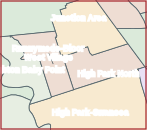
Use the west Toronto map for access planning
The map above shows Runnymede and Bloor West Village in the context of nearby west Toronto neighbourhoods. If you live near Bloor Street West and Runnymede Road, use that intersection as an orientation point and give the cleaner the full address and postal code. Some houses are approached from the front porch while others have a more convenient side or rear door for equipment. Explain which entrance you want used and how that fits the plan for the pet.
- Parking and unloading. Describe available driveway space or a legal street option and which route leads to the chosen door.
- Transit and walking. If meeting near Runnymede Station, agree on the actual house entrance and allow for the walk between them.
- Accessible entry. Describe steps, handrails, narrow gates and any step-free approach. Choose an entry route that keeps household access usable.
- Gate and door instructions. Specify who will open a side gate and how it should be left. Give the cleaner a contact in case the household’s plan changes.
A service appointment can involve more than one trip to the vehicle. Talk through that possibility before deciding which door the cleaner should use. If the household normally lets the pet into the yard through that door, agree on an alternative during the visit. The cleaner can then focus on the work and the household can manage the transitions.
Check the outcome where it matters most
After the visit, look at the locations listed on the work order. Check a stair edge, the open floor beside the pet’s usual resting place and any furniture area you agreed to include. Use the same locations on later visits so you can tell whether a change to the plan made a difference. If a rug or chair was excluded for care reasons, keep that distinction in your notes and decide whether to arrange separate work.
If you have feedback, identify the surface and location. “Hair remained along the wall side of the lowest two steps” is more actionable than a general complaint about a room. Ask whether it was reachable with the equipment used and whether the provider would handle it differently next time. If the result was satisfactory but hair returned quickly, discuss frequency or task priority. A quick return of hair and an area missed during the visit are different observations.
Save the updated task list for the next booking. Include which surfaces are done every time, the approved add-ons and who handles the pet. As routines change, revisit the details instead of assuming an old list still fits. House cleaning for pet hair in Toronto works best when the written scope follows the rooms the household and pet actually use.