Winter Entryway Cleaning for a Bloor West Village House
Only have 30 seconds?
- Mark the shoe drop, the wet mat and the first place grit travels beyond the entry.
- Ask the cleaner which products and methods suit each floor and mat you want included.
- Give the cleaner a door, unloading location and step-free route if one is available.
- Use the Maid for Homes residential guide to choose other rooms before you request a quote.
Trace the mess one doorway at a time
Start at the door the household used most recently after coming in from outside. Look at where boots first touch the floor, where they are taken off and where they are put while they dry. The route may change during the day. Someone arriving from Bloor Street West may use the front door, while someone pulling into the driveway may enter through the side. Watch a normal arrival before deciding which entrance needs attention. A photo of the floor at the busiest time can help explain why a small area takes so much of the cleaning effort.
Now follow the short trip people make after taking their shoes off. A person may set groceries on the kitchen counter before returning to remove boots. A child may go from the front mat to a closet to hang a coat. Note the point at which stray grit stops showing up. That is a practical place to end the entryway job. If the trail continues up the stairs, list those steps as part of the requested work. The entry, stairs and floor guide can help distinguish the different surfaces along that route.
Give the cleaner one or two examples of what you see. You might find white marks at the edge of a boot tray, fine grit at a transition strip and a damp patch under the mat. Each calls for a different decision. A tray has to be moved before the floor beneath it can be checked. A narrow transition needs room to reach the edge. A wet mat may need its own place to dry. Name those tasks in the note so they are visible when you compare the scope with the quoted time.
Identify the point where one floor becomes another
A narrow entry can contain tile, grout, a threshold, a wood or laminate hallway and the edge of a stair runner within a few metres. Tell the cleaner what you know about each surface and share any care instructions you have. If you are unsure what a floor is made of, describe the appearance and which part you are unsure about. That gives the cleaner a chance to inspect it and discuss a suitable approach. If the surface is delicate or recently refinished, ask how that changes the proposed visit.
Describe dry grit and visible moisture separately. A boot tray may contain both by the end of a snowy day. If you want the tray cleaned, ask whether the cleaner can empty and wipe it during the appointment, where it can dry and when it can go back on the floor. A mat can look dry on top while moisture remains underneath. Ask the cleaner to check the floor beneath it if you can move it easily, and agree where a damp mat can be left so it does not block the doorway.
For a pale mark on a dark floor, tell the cleaner when you noticed it and whether you already tried anything. A photo of the same spot when the floor is dry may be helpful. Ask which method they would start with and what they would do if the mark remains. If you want an area left alone pending care information, point it out instead of leaving the instruction general. Use the cleaning supplies and surface care guide when writing down product preferences for the different surfaces.
Set up a place for boots before the cleaner arrives
Move the shoes you can put away and leave a spot for the pairs people will use that day. If your tray occupies the only clear space near the door, pick a temporary location before anyone starts the job. A second mat or empty tray may work if it fits comfortably and leaves the route clear. Agree where to put damp shoes and anything that should stay upright. This is especially useful in households where people arrive at different times and each person uses the entrance a little differently.
Ask whoever is home to use the same drop point until the cleaner is finished. If the door opens straight into the living area, tell the cleaner which strip needs to remain available and where someone can wait while the floor is drying. In a narrow vestibule, the choice may be as simple as asking the cleaner to start with the inside edges before doing the main path. Let them decide the working order once they can see the space. The household can make that easier by keeping coats, bags and parcels off the floor.
A mat that is too heavy or awkward to lift can change the quote. Tell the cleaner if it runs under a bench or extends beneath several pieces of furniture. Ask whether moving those items is part of the job and whether someone at home should move them beforehand. If the mat stays in place, the cleaner can focus on the exposed floor or nearby trim. Write down which sections you expect to be reached so both sides can tell what has been completed before the furniture goes back.
Decide what stays in the recurring scope
A winter entry can justify a small change to a normal visit. You could ask for the shoe area and floor beyond the mat every time, then add the tray and the mat underneath as an occasional task. A different household may only need the side entrance addressed after slushy days. Tell the cleaner which tasks are regular and which are conditional. If you pay for a set amount of time, ask what should be moved down the list when the entrance needs an extra pass.
Use conditions that the team can see. “Check beneath the boot tray when it has visible overflow” gives a clearer instruction than “do the entry properly if it looks bad.” You can also identify one item that usually waits, such as wiping the baseboard behind an entry bench. If there is a second entrance, specify whether it gets the same attention or a quick check while the team passes through. If the visit is primarily for bathrooms and kitchen work, say where the entrance fits among those priorities.
For a one-off quote, ask which part of this work is included in the agreed scope and what requires an extra line. Mat treatment, an interior stair runner and floor work in the room beyond the entry can each take a different amount of time. Use the same task list when comparing two providers. A quote for the dry visible floor can be reasonable for a first visit if boots are already put away. A quote for both entrances and the stairs needs to account for more access and more surfaces.
Confirm arrival around Bloor and Runnymede
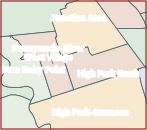
The map above shows Runnymede–Bloor West Village and nearby parts of Toronto. For a home near Bloor Street West and Runnymede Road, tell the cleaner whether the intended entrance faces the street, sits off a side driveway or requires access through another door. The nearest intersection is a useful point of orientation. The exact address and door instructions should come from the household. If a path is normally clear but becomes difficult in slush, send the cleaner the easier approach as soon as you know about it.
- Transit and cycling. Runnymede Station is near Bloor Street West and Runnymede Road. Give the cleaner the actual address for trip planning. If someone is cycling, identify a suitable place to secure a bicycle without blocking the entrance.
- Parking and unloading. Explain whether driveway space is available, whether a shared drive needs to stay clear and where gear can be unloaded. If legal curb parking is needed, ask the cleaner to check the signs for that day and time.
- Accessibility. Describe the number of steps, the approach to the porch and any handrail or step-free alternate entrance. Keep the chosen route clear enough for the cleaner to bring in the agreed equipment.
For a multi-unit house, add the unit, floor and bell instructions. Tell the cleaner where to wait if you are meeting them. If the visit overlaps with a delivery or another home appointment, share the arrival windows with everyone who needs the same doorway. A temporary arrangement can be as simple as receiving deliveries at the front while the cleaner uses the side. Confirm the arrangement with the cleaner before you expect them to use it.
Check the entry before returning everything to its usual place
Start by looking at the three spots you identified in your request. Check the floor at the shoe drop, the edge of the mat and the first stretch of hallway. Ask which areas were accessible and which still need attention. If the floor was damp when the cleaner arrived and has dried since, compare what you see with the original photos. If a mark remains, record what the cleaner observed and which area you want looked at next time. That gives you a concrete starting point when you decide whether to request further care.
Return the tray and mat once you have agreed where they belong and the floor beneath is ready. Watch the next few arrivals to see where wet shoes stop. If the same mess appears just beyond the mat again, check whether the drop point is easy to use when people are carrying bags or helping a child with boots. A small move of the tray can matter more for the next visit than adding another line to the cleaning quote. Change one thing and see whether the busy route is easier to keep clear.
Send a request the cleaner can use on arrival
“I’m looking for help with the indoor winter entry near Bloor and Runnymede. Please include the visible tile by the front door, the floor beneath the movable boot tray and the first section of the hallway. I’ll move shoes and set aside the mat. There is a different finish beyond the threshold. I can share the care instructions and photos. Please tell me where you would like to unload and how you would handle the job if the entry is wet when you arrive.”
If there is a second entrance, add it only if you want it considered in the same quote. Say whether this is a one-off job or part of a regular visit. Keep the confirmed scope so you can compare it with the next appointment after the weather changes. When everyone knows where shoes go and the cleaner knows where the floor materials change, the household can use the entrance again without having to reconstruct the plan from scratch.